
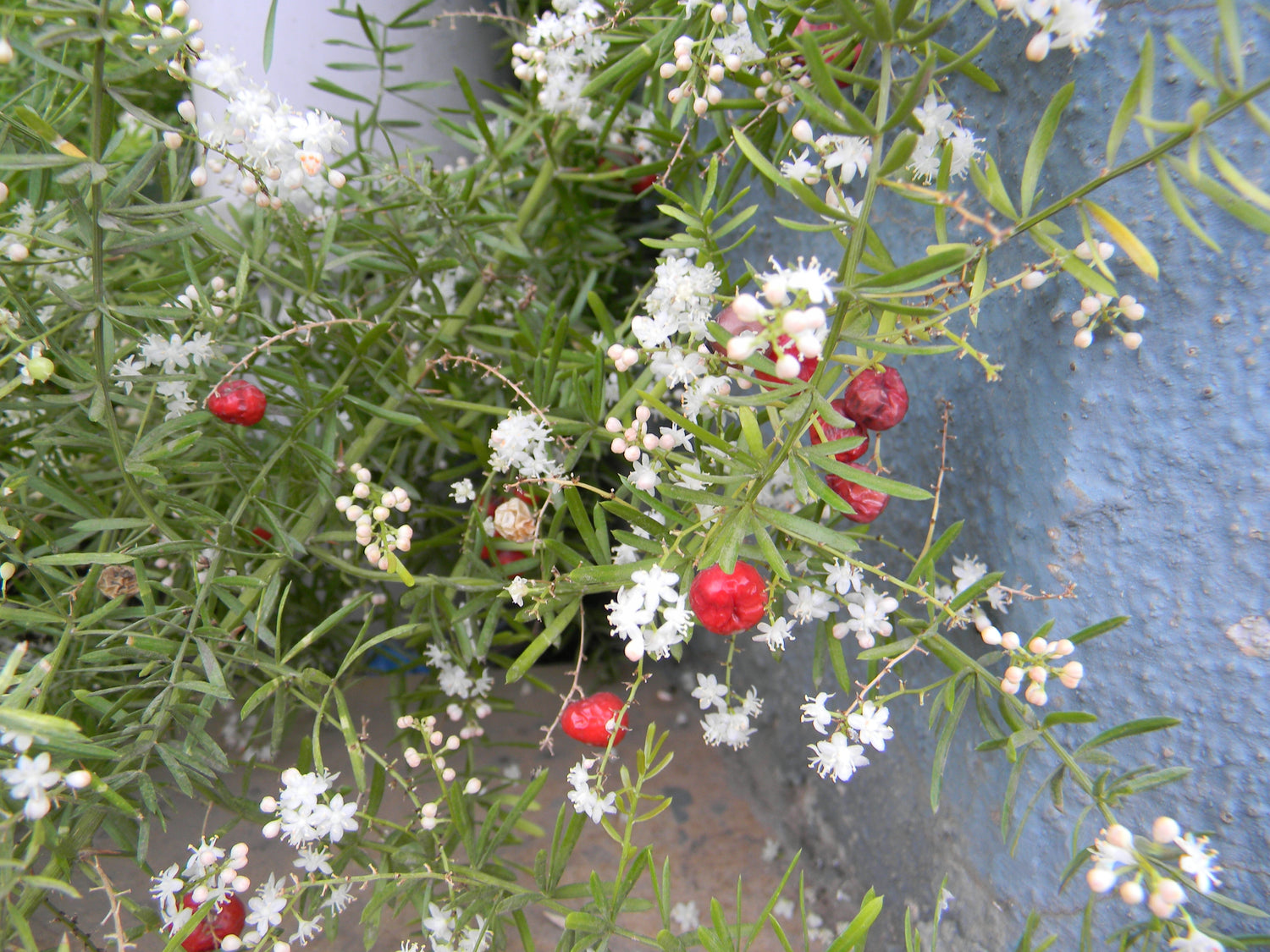
Mention Shatavari to most people and they'll immediately think of women's reproductive health — it's one of Ayurveda's most famous herbs for that purpose. What's less well known is that Shatavari has an equally long, if less publicized, history of use for male vitality and reproductive wellness, which is why it earns a place in Afrovit-SR's formula alongside Ashwagandha and Kalonji.
What Is Shatavari?
Asparagus racemosus is a climbing plant in the same family as edible asparagus, native to India and parts of the Himalayan region. Its name roughly translates to "she who possesses a hundred roots" or, in some interpretations, "she who has a hundred husbands" — a nod to its reputation as a rejuvenating tonic. In classical Ayurveda, it's classified as a Rasayana, used to build strength, vitality, and resilience in both men and women.
What the Research Actually Shows
Shatavari's research for male vitality is earlier-stage than Ashwagandha's, but it points in a consistent direction:
- Root extract studies in animal models found significant improvements in sexual behavior compared to placebo — including better erectile response and increased mating activity — alongside increases in body weight and reproductive organ weight, supporting its traditional aphrodisiac classification.
- Shatavari is traditionally and pharmacologically associated with improving spermatogenesis (sperm production), attributed largely to its antioxidant compounds — saponins and flavonoids — which help protect developing sperm cells from oxidative damage.
- A 2025 review in Current Nutrition Reports summarizing Shatavari's fertility-related research noted consistent preliminary positive findings, while also being clear that more controlled human clinical trials are still needed to confirm effects and establish a full safety profile specifically for male fertility.
As with several herbs in this formula, Shatavari's case is built on strong traditional use plus encouraging early research, rather than large definitive human trials — worth knowing rather than glossing over.
Shatavari's Role in Afrovit-SR
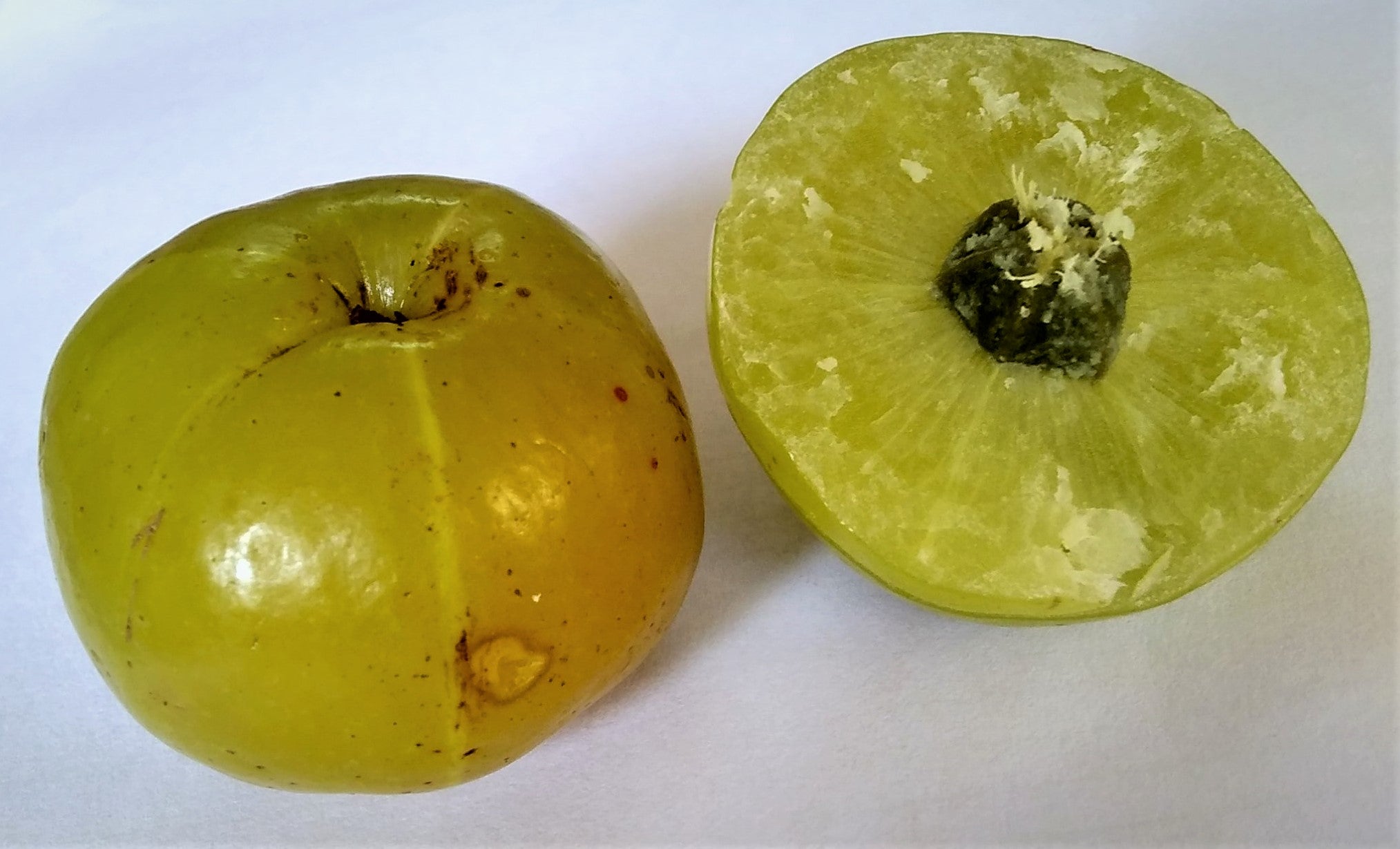
Afrovit-SR includes Shatavari as part of its antioxidant-supporting herb group, working alongside Amla (Emblica Officinalis) to help protect the body's cells — including reproductive tissue — from oxidative stress, one of the more consistently evidence-backed mechanisms behind several ingredients in this formula.
As with all Afrovit-SR ingredients, Shatavari is included to support general male wellness, not to diagnose or treat a specific medical condition.
Frequently Asked Questions
Isn't Shatavari mainly for women?
It's most famous for women's health, but Ayurveda has documented its use in men for vitality and reproductive wellness for centuries — the "hundred roots" reputation for building strength applies to both.
What does Shatavari actually do for men, mechanistically?
Its main studied benefit is antioxidant protection that supports healthy sperm production, alongside traditional aphrodisiac use documented in animal behavioral studies.
Is Shatavari safe for long-term use?
It has a long history of traditional use and no major safety concerns reported in the current research, though as with any supplement, it's worth discussing with a healthcare provider if you're on long-term medication.
Afrovit-SR combines Shatavari with Ashwagandha, Tribulus, Akarkara, and 14 other traditional herbs in one slow-release caplet. Available with cash on delivery and free shipping across Pakistan at slanaturals.com, or order directly via WhatsApp.

Leave a comment
This site is protected by hCaptcha and the hCaptcha Privacy Policy and Terms of Service apply.